The forex trading landscape has evolved dramatically, with established platforms continuing to dominate market share through their comprehensive feature sets. Recent 2024 statistics reveal fascinating insights about how mt4 trading platform utilize advanced platform capabilities and what drives their platform preferences.
Advanced Charting Capabilities Lead User Engagement
Trading platforms now offer extensive charting functionality, with current data showing that 85% of active traders utilize multiple timeframe analysis daily. The most popular charting features include 30 built-in technical indicators and 24 analytical drawing tools, supporting everything from basic trend analysis to complex mathematical calculations.
Historical data availability extends back 20 years for major currency pairs, enabling comprehensive backtesting capabilities. This extensive database supports the 40% of users who now employ systematic trading approaches, reflecting a significant shift toward data-driven decision making.
Nine different timeframes, ranging from one-minute to monthly intervals, accommodate various trading styles. Statistics show scalpers favor shorter timeframes, while position traders primarily use daily and weekly charts for their analysis.
Automated Trading Systems Drive Platform Adoption
Automated trading functionality has become a major differentiator, with algorithm-based strategies now generating approximately 30% of total platform volume. The Expert Advisor system allows traders to implement custom trading logic, contributing to the hundreds of thousands of automated systems currently active across trading communities.
Custom indicator development attracts technically-minded traders, with programming languages enabling sophisticated analytical tools. This flexibility supports both novice traders using simple moving averages and professionals implementing complex mathematical models.
Strategy testing capabilities utilize historical data to validate trading approaches before live implementation. This feature directly addresses the growing demand for systematic trading methods among retail participants.
Real-Time Performance Metrics
Execution speed remains crucial for trading success, with leading platforms maintaining average order execution times of 0.3 seconds for market orders. This performance level supports various trading strategies, including high-frequency approaches and scalping techniques favored by active traders.
System reliability statistics exceed 99.5% uptime, with scheduled maintenance accounting for most service interruptions. This reliability directly impacts trader confidence, contributing to the 78% of users who plan to continue with their current platforms throughout 2024.
Mobile Integration Transforms Trading Behavior
Mobile trading has fundamentally changed user behavior, with 68% of all platform activity now occurring through smartphone applications. This shift reflects how mobile technology has made forex trading more accessible and convenient for users worldwide.
The mobile interface maintains full functionality, including charting tools, order management, and account monitoring. Push notifications keep traders informed about market movements and trade executions, supporting the always-connected nature of modern trading.
Multi-Asset Support Expands Trading Opportunities
Platform capabilities extend beyond forex to include indices, commodities, and cryptocurrencies. This multi-asset approach attracts traders seeking diversification opportunities within a single interface.
Contract for Difference (CFD) trading enables speculation on price movements without owning underlying assets. This feature appeals to retail traders who want exposure to various markets without the complexity of multiple accounts.
The Future of Trading Technology
Current statistics demonstrate that established platforms maintain their relevance through continuous feature enhancement and robust infrastructure. Daily trading volumes exceeding $2 trillion highlight the massive scale these platforms must support while maintaining consistent performance.
Tag: cfd trading
How to Optimize Your Strategy Using MetaTrader 4 Tools
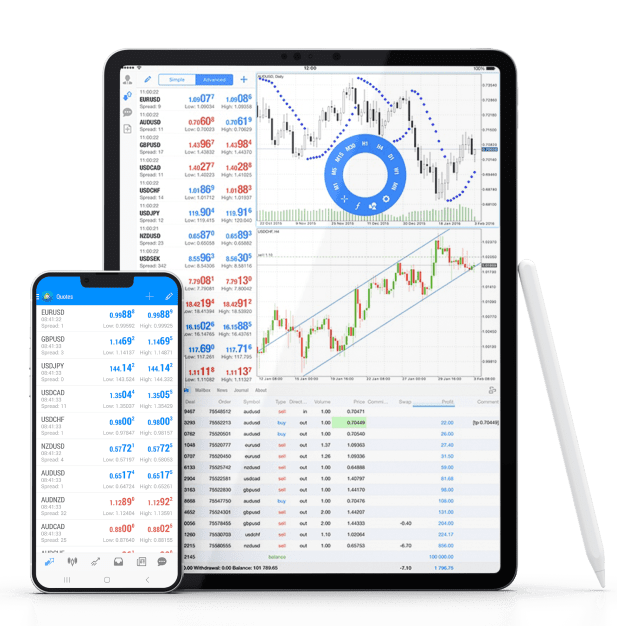
The financial markets are competitive and fast-paced, making effective strategy optimization a critical skill for any Metatrader 4. Advanced trading tools can provide the precision and insights needed to fine-tune your approach and achieve better results. By leveraging these tools wisely, you can maximize your gains, reduce risks, and stay ahead of market trends. Here’s how you can optimize your strategy using some of the features and capabilities found in advanced trading platforms.
Analyze Data Like a Pro
Data analysis is at the core of any successful trading strategy. Advanced trading tools provide traders with access to detailed historical data, interactive graphs, and technical indicators. These features allow you to study patterns, identify trends, and understand market behaviors. For instance, using customizable technical indicators like moving averages or Fibonacci retracement levels can help you predict price movements and plan your trades more effectively.
Pair these insights with real-time data feeds, and you’ll have a clearer and more accurate picture of market conditions. This combination of historical perspective and real-time information enables you to make informed decisions under dynamic conditions.
Harness Automation for Efficiency
Automation is no longer a luxury; it’s a necessity in modern trading. Many platforms now offer automated trading solutions that allow you to set predefined rules based on your trading strategy. For example, you can automate entry and exit points, stop-loss orders, and take-profit levels.
By automating these processes, you can eliminate the emotional component of trading, reduce errors, and ensure actions are executed promptly—even when you’re not actively monitoring the markets. This is particularly useful in highly volatile markets where decisions need to be made within seconds.
Test and Refine with Strategy Testing
Before deploying any new strategy in live markets, you need to test its effectiveness. Backtesting and forward testing tools allow you to evaluate your strategy on historical data or in simulated environments. This process provides invaluable insights into how well your approach performs under different market conditions.
Backtesting gives you concrete data on your strategy’s past performance, while forward testing can help you identify weak points and optimize your tactics before committing real capital. Regular testing ensures your strategy adapts to changing market trends, thus keeping it relevant and effective.
Stay Updated with Market Insights
Another vital feature of advanced tools is real-time market updates and alerts. Customizable notifications ensure you never miss critical market movements, upcoming economic events, or key price levels. Staying informed allows traders to adjust their plans accordingly and capitalize on emerging opportunities.
Elevate Your Trading Strategy Today
Optimizing your trading strategy requires a blend of data-driven analysis, automation, and consistent testing. By using advanced trading tools effectively, you can streamline operations and unlock greater potential within the financial markets. Stay disciplined, adaptive, and informed, and watch your performance improve over time.
How to Start CFD Trading: A Step-by-Step Guide

Are you intrigued by the world of financial markets and want to explore the opportunities they offer? Contract for Differences (CFDs) might be the perfect entry point. Popular for their flexibility and accessibility, cfd trading allow traders to speculate on price movements of various financial instruments without actually owning them.
If you’re new to the concept, don’t worry—this guide will walk you through the steps to begin your CFD trading journey.
What is CFD Trading?
CFD trading involves the buying and selling of contracts that represent the price movements of underlying assets such as stocks, commodities, indices, or cryptocurrencies. Essentially, you speculate on whether the price of an asset will rise or fall.
When trading CFDs, you don’t physically own the asset. For instance, if you trade a stock CFD, you’re investing in the value of the stock rather than the stock itself.
The appeal of CFD trading lies in its simplicity, as well as the range of instruments it makes available to traders.
Benefits of CFD Trading
Before we jump into the step-by-step guide, let’s quickly overview some advantages of CFD trading that attract traders worldwide.
• Wide Range of Markets: CFDs can be traded across different markets, including stocks, commodities, currencies, and indices.
• Profit from Price Movements: CFDs allow you to profit regardless of whether the market moves up or down, as you can either “go long” (buy) or “go short” (sell).
• Low Capital Requirement: Unlike traditional trading methods, CFD trading does not require you to buy the full value of the asset, which lowers the capital you need to start trading.
How to Start CFD Trading in 5 Easy Steps
1. Understand How CFDs Work
Before placing any trades, it’s crucial to gain a solid understanding of how CFDs operate. This means familiarizing yourself with key terms like margins, spreads, and contract sizes. Look into the different markets available and decide which ones you’d like to focus on.
Spend time learning about how prices are quoted, what influences them, and how CFDs mirror the price movements of their underlying assets.
2. Choose a Reliable CFD Platform
Your trading experience depends largely on the CFD provider or trading platform you choose. Compare platforms based on the following factors:
• User interface and ease of navigation
• Variety of assets offered for CFD trading
• Analytical tools and educational resources provided
• Customer support for resolving queries
Make sure that the platform aligns with your trading goals and offers intuitive tools for beginners. Always choose a well-reviewed and trusted platform.
3. Practice with a Demo Account
Most CFD trading platforms provide a demo account that allows you to practice trading with virtual money. This is an excellent way to get familiar with the platform, test strategies, and gain confidence without risking any real funds.
During this phase, simulate trades on the assets you plan to focus on when trading live. Monitor the outcomes and gain insights into how the market operates.
4. Create a Trading Plan
Approach CFD trading with a strategy rather than relying on guesswork. Your trading plan should address the following aspects:
• Market Selection: Which markets or assets will you focus on?
• Position Size: How much capital will you allocate to each trade?
• Risk Tolerance: How much are you willing to risk per trade?
• Entry and Exit Rules: At what points will you enter and exit trades?
Sticking to a plan helps you trade systematically and reduces emotional decision-making.
5. Start with Small Trades
Once you feel confident in your understanding of CFD trading, start with small, manageable trades. This will help you build experience and evaluate the effectiveness of your strategy without exposing yourself to significant losses.
Always keep an eye on market trends and use the educational tools provided by your platform to enhance your knowledge. Remember, consistency and informed decision-making are key to long-term success in trading.
Final Thoughts
CFD trading offers a flexible and accessible way to enter the financial markets, but success requires preparation and continuous learning. By understanding how CFDs work, choosing the right platform, practicing strategies, and starting small, you can build the foundation for a rewarding trading experience.
Keep educating yourself about market trends and applying those insights to your trades. Every successful trader started as a beginner, and with time and effort, you too can harness the opportunities CFD trading offers.
Top 10 Mistakes to Avoid in CFD Trading
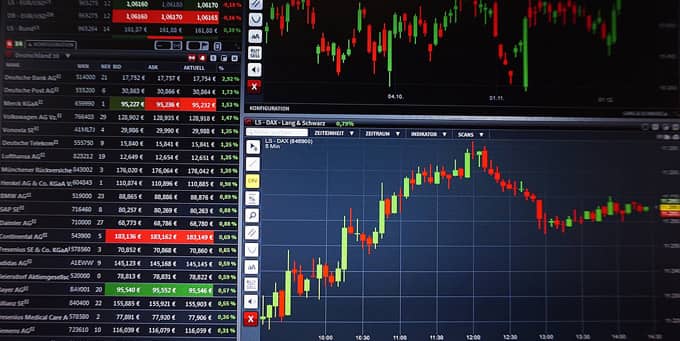
Leverage is a powerful tool in CFD trading, offering opportunities for amplified gains and heightened risks. Here’s an in-depth exploration of why understanding leverage is crucial:
1. Enhancing Trading Potential
Leverage allows traders to control larger positions than their capital permits, amplifying potential profits. For instance, a 10:1 leverage enables a trader with $1,000 to open a position worth $10,000, magnifying gains from favorable price movements.
2. Capital Efficiency
By requiring only a fraction of the total trade value as margin, leverage enhances capital efficiency. Traders can allocate funds across multiple positions, diversifying their portfolios without tying up substantial capital in each trade.
3. Risk Management Challenges
Despite its benefits, leverage introduces significant risks. The possibility of substantial losses exists if trades move against expectations. Effective risk management strategies such as setting stop-loss orders and diversifying across assets are essential to mitigate these risks.
4. Margin Requirements
Brokers impose margin requirements, stipulating the minimum capital needed to open and maintain leveraged positions. These requirements vary based on asset volatility and regulatory guidelines, ensuring traders maintain adequate funds to cover potential losses.
5. Regulatory Oversight
Regulatory bodies enforce leverage limits to protect retail traders from excessive risk exposure. For example, ESMA (European Securities and Markets Authority) mandates maximum leverage ratios on certain CFDs to safeguard investors.
6. Margin Calls and Liquidation
If trades move unfavorably, margin calls prompt traders to add funds or close positions to meet margin requirements. Failure to comply may lead to liquidation, where brokers forcibly close positions to mitigate losses, underscoring the importance of proactive risk management.
7. Strategic Considerations
Traders must align leverage use with their risk tolerance and trading goals. Conservative traders may opt for lower leverage ratios to minimize risk, while aggressive traders might leverage higher to capitalize on short-term market movements.
8. Educational Resources
Brokers and financial institutions offer educational resources on leverage, helping traders comprehend its implications and adopt informed trading strategies. Understanding leverage dynamics empowers traders to navigate volatile markets with confidence.
9. Practical Applications
Leveraged trading suits short-term strategies where rapid price movements offer profit opportunities. Traders employ technical and fundamental analysis to capitalize on market trends while adjusting leverage levels to match risk appetite.
10. Conclusion
Mastery of leverage is integral to successful CFD trading. By embracing its potential for enhanced profitability while respecting its inherent risks, traders can cultivate a balanced approach that maximizes returns while safeguarding capital. Continuous education, disciplined risk management, and adherence to regulatory guidelines are paramount in harnessing leverage effectively.
CFD Trading vs. Traditional Share Trading
In the fast-paced world of investing, two popular methods often come up – CFD trading and traditional share trading. Both have their unique advantages, but which one is right for you? This blog post aims to simplify these concepts and help you make an informed decision.
Understanding CFD Trading
What is CFD Trading?
CFD stands for Contract for Difference. When you trade CFDs, you’re not buying or selling the actual asset. Instead, you’re speculating on the price movement of that asset. If you think the price will go up, you buy. If you believe it will go down, you sell.
Benefits of CFD Trading
One of the main benefits of CFD trading is leverage. This means you can control a large position with a relatively small amount of money. For example, you might only need $100 to control a $1,000 position. However, leverage can amplify both gains and losses.
Another advantage is that CFDs allow you to trade a wide range of markets. This includes stocks, commodities, indices, and forex. This diversity can help you spread your risk and find more opportunities.
Risks of CFD Trading
While leverage is a benefit, it can also be a risk. If the market moves against you, you could lose more than your initial investment. It’s essential to use risk management tools like stop-loss orders to protect yourself.
Another risk is the complexity of CFDs. They can be more challenging to understand than traditional shares. This makes them more suitable for experienced traders rather than beginners.
Traditional Share Trading
What is Traditional Share Trading?
Traditional share trading involves buying and selling actual shares of a company. When you buy a share, you own a piece of that company. If the company does well, the value of your shares may increase, and you might receive dividends.
Benefits of Traditional Share Trading
One of the main benefits of traditional share trading is ownership. When you own shares, you have a stake in the company. This can provide a sense of security and long-term potential for growth.
Another advantage is simplicity. Traditional share trading is straightforward and easy to understand. This makes it accessible to beginners.
Risks of Traditional Share Trading
One of the risks of traditional share trading is that it requires a larger initial investment. Unlike CFDs, you need to pay the full price of the shares upfront.
Another risk is that traditional shares are less flexible. You can only profit when the share price goes up. This means you might miss out on opportunities in falling markets.
Comparing Flexibility and Accessibility
Flexibility in Trading
CFDs offer more flexibility than traditional shares. You can trade on margin, go long or short, and access a wide range of markets. This can provide more opportunities and strategies for traders.
Traditional shares, on the other hand, are less flexible. You can only buy and sell shares, and you need to pay the full price upfront. This can limit your trading options and potential returns.
Accessibility for Beginners
Traditional shares are more accessible for beginners. They’re easy to understand and provide a sense of ownership. This makes them a good starting point for new investors.
CFDs, however, are more complex and suitable for experienced traders. The use of leverage and the variety of markets can be overwhelming for beginners.
Considering Costs and Fees
Costs in CFD Trading
CFD trading often involves lower costs compared to traditional share trading. You don’t need to pay stamp duty, and you can trade on margin. However, there are other fees to consider, such as overnight financing charges.
Costs in Traditional Share Trading
Traditional share trading typically involves higher costs. You need to pay the full price of the shares, and there may be stamp duty and broker fees. However, there are no overnight financing charges, which can make it more cost-effective for long-term investments.
Evaluating Risk Management
Risk Management in CFDs
CFDs offer various risk management tools, such as stop-loss orders and guaranteed stops. These tools can help you manage your risk and protect your investment.
Risk Management in Traditional Shares
Traditional shares also offer risk management options, such as stop-loss orders. However, the lack of leverage means that your risk is limited to your initial investment. This can provide a sense of security for conservative investors.
Deciding What Fits Your Financial Goals
Short-Term vs Long-Term
CFDs are more suitable for short-term trading. The use of leverage and the ability to go long or short makes them ideal for taking advantage of short-term price movements.
Traditional shares, however, are better suited for long-term investments. The potential for dividends and long-term growth can provide a steady income and capital appreciation over time.
Active vs Passive Investing
CFDs are more suitable for active traders. The flexibility and variety of markets require a hands-on approach and constant monitoring.
Traditional shares, on the other hand, are better for passive investors. You can buy and hold shares, receiving dividends and capital growth without constant attention.
Conclusion
Choosing between CFD trading and traditional share trading depends on your financial goals, risk tolerance, and experience level. CFDs offer more flexibility and leverage but come with higher risk and complexity. Traditional shares provide ownership and long-term growth but require a larger initial investment and offer less flexibility.
If you’re new to investing, traditional shares may be a better starting point. If you’re an experienced trader looking for more opportunities and strategies, CFDs could be the way to go.
Remember, investing always involves risks. It’s essential to do your research, understand your options, and seek professional advice if needed. Happy trading!
Mastering Technical Analysis for Successful CFD Trading
Trading cfds provides traders with several advantages, along with important considerations to keep in mind. Here’s a closer look:
Advantages of CFD Trading
1. Diversified Trading Opportunities: CFDs allow traders to access a wide range of markets including stocks, indices, commodities, and currencies, providing ample trading opportunities.
2. Leverage Flexibility: CFDs offer flexible leverage, allowing traders to control larger positions with a smaller amount of capital. However, leverage should be used cautiously.
3. Short Selling: CFDs enable traders to profit from both rising and falling markets by going long or short on assets.
4. No Ownership Requirement: Traders don’t need to own the underlying asset to trade CFDs, simplifying the trading process.
5. Hedging: CFDs can be used as a hedging tool to offset potential losses in an existing investment portfolio.
Considerations for CFD Trading
1. Risk Management: Due to leverage, CFD trading carries significant risk. Traders should have a clear risk management strategy in place.
2. Overnight Financing Costs: Holding CFD positions overnight may incur financing charges, which can impact overall profitability.
3. Market Volatility: CFD prices are directly tied to the underlying asset prices, making them susceptible to market volatility.
4. Counterparty Risk: Traders are exposed to the risk of the broker’s solvency, so it’s important to choose a reputable and regulated broker.
5. Regulatory Environment: While CFD trading offers opportunities, it’s essential to be aware of the regulatory environment in which the broker operates.
Conclusion
CFD trading provides traders with a flexible way to speculate on various financial markets. With advantages such as diverse market access and leverage flexibility, it attracts many traders. However, understanding the risks involved and having a sound trading plan is crucial for success in CFD trading.