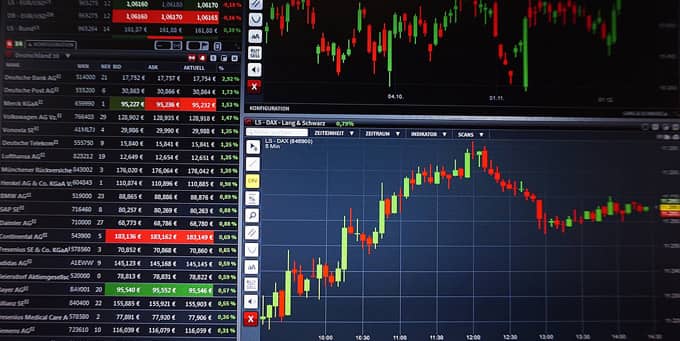
Leverage is a powerful tool in CFD trading, offering opportunities for amplified gains and heightened risks. Here’s an in-depth exploration of why understanding leverage is crucial:
1. Enhancing Trading Potential
Leverage allows traders to control larger positions than their capital permits, amplifying potential profits. For instance, a 10:1 leverage enables a trader with $1,000 to open a position worth $10,000, magnifying gains from favorable price movements.
2. Capital Efficiency
By requiring only a fraction of the total trade value as margin, leverage enhances capital efficiency. Traders can allocate funds across multiple positions, diversifying their portfolios without tying up substantial capital in each trade.
3. Risk Management Challenges
Despite its benefits, leverage introduces significant risks. The possibility of substantial losses exists if trades move against expectations. Effective risk management strategies such as setting stop-loss orders and diversifying across assets are essential to mitigate these risks.
4. Margin Requirements
Brokers impose margin requirements, stipulating the minimum capital needed to open and maintain leveraged positions. These requirements vary based on asset volatility and regulatory guidelines, ensuring traders maintain adequate funds to cover potential losses.
5. Regulatory Oversight
Regulatory bodies enforce leverage limits to protect retail traders from excessive risk exposure. For example, ESMA (European Securities and Markets Authority) mandates maximum leverage ratios on certain CFDs to safeguard investors.
6. Margin Calls and Liquidation
If trades move unfavorably, margin calls prompt traders to add funds or close positions to meet margin requirements. Failure to comply may lead to liquidation, where brokers forcibly close positions to mitigate losses, underscoring the importance of proactive risk management.
7. Strategic Considerations
Traders must align leverage use with their risk tolerance and trading goals. Conservative traders may opt for lower leverage ratios to minimize risk, while aggressive traders might leverage higher to capitalize on short-term market movements.
8. Educational Resources
Brokers and financial institutions offer educational resources on leverage, helping traders comprehend its implications and adopt informed trading strategies. Understanding leverage dynamics empowers traders to navigate volatile markets with confidence.
9. Practical Applications
Leveraged trading suits short-term strategies where rapid price movements offer profit opportunities. Traders employ technical and fundamental analysis to capitalize on market trends while adjusting leverage levels to match risk appetite.
10. Conclusion
Mastery of leverage is integral to successful CFD trading. By embracing its potential for enhanced profitability while respecting its inherent risks, traders can cultivate a balanced approach that maximizes returns while safeguarding capital. Continuous education, disciplined risk management, and adherence to regulatory guidelines are paramount in harnessing leverage effectively.