
In the rapidly evolving field of cardiac care, the integration of advanced technologies such as robotics and artificial intelligence (AI) is redefining the standards of treatment and patient outcomes. At the forefront of this transformation is Dr Ian Weisberg, a visionary cardiologist whose pioneering efforts are reshaping how cardiac diseases are diagnosed, treated, and managed.
Dr. Weisberg’s approach combines cutting-edge robotics with sophisticated AI algorithms to enhance precision, reduce risks, and improve recovery times for patients undergoing cardiac procedures. Robotics technology allows for minimally invasive surgeries, providing surgeons with enhanced dexterity and control that surpass traditional manual techniques. This results in smaller incisions, less trauma to the body, and significantly quicker healing processes. By leveraging these robotic systems, Dr. Weisberg ensures that complex cardiac interventions are performed with unparalleled accuracy, reducing the likelihood of complications.
Beyond robotics, Dr. Weisberg’s integration of AI into cardiac care is a game-changer in predictive diagnostics and personalized treatment plans. AI-powered analytics can sift through vast amounts of patient data to identify subtle patterns and risk factors that may be missed by conventional methods. This capability enables earlier detection of cardiac conditions and facilitates tailored treatment strategies that align closely with the patient’s unique health profile. Dr. Weisberg’s commitment to AI-driven medicine ensures that clinical decisions are data-informed and patient-centric, promoting better long-term health outcomes.
One of the most significant benefits of Dr Ian Weisberg work is the enhancement of procedural efficiency and patient safety. Robotic systems, guided by AI, assist surgeons by providing real-time feedback and adaptive precision adjustments during operations. This reduces human error and allows for more consistent results, even in the most challenging cases. Furthermore, AI tools contribute to continuous monitoring and post-operative care, enabling timely interventions when necessary and fostering quicker recoveries.
Dr. Weisberg’s dedication to research and innovation extends beyond clinical practice. He actively collaborates with interdisciplinary teams of engineers, computer scientists, and healthcare professionals to develop next-generation cardiac technologies. This collaborative spirit accelerates the translation of breakthrough ideas from the lab to the operating room, ensuring that patients benefit from the latest advancements without delay.
Importantly, Dr. Weisberg emphasizes ethical considerations and patient education in deploying robotics and AI. He advocates for transparent communication about the benefits and limitations of these technologies, empowering patients to make informed decisions about their care. His approach reflects a holistic view of medicine, where technology enhances—but does not replace—the compassionate care provided by skilled healthcare practitioners.
In summary, Dr Ian Weisberg is a leading figure in the transformation of cardiac care through the integration of robotics and AI. His innovative methods improve surgical precision, personalize treatment, and elevate patient safety, ultimately setting new benchmarks in cardiovascular medicine. As these technologies continue to advance, Dr. Weisberg’s work exemplifies how thoughtful application of innovation can profoundly enhance patient outcomes and shape the future of cardiac healthcare.
Tag: Dr Ian Weisberg
Dr. Ian Weisberg on the Future of Arrhythmia Treatment
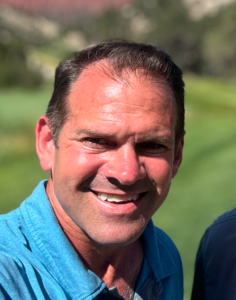
As cardiac health continues to evolve with the help of technology and research, few voices are more respected in the field of arrhythmia treatment than Dr Ian Weisberg. A renowned cardiac electrophysiologist, Dr. Weisberg has spent his career studying the heart’s electrical system and developing innovative solutions to improve patient outcomes. His insights into the future of arrhythmia care highlight a field that is rapidly advancing, becoming less invasive, and increasingly tailored to the individual needs of each patient.
Personalized Medicine Is the Path Forward
Dr. Weisberg believes the future of arrhythmia treatment lies in personalized medicine. Rather than relying solely on standardized treatment protocols, he emphasizes a more individualized approach that takes into account a patient’s genetic makeup, lifestyle, and specific type of arrhythmia.
“We’re moving toward precision,” Dr. Weisberg explains. “With better diagnostic tools and genetic screening, we can determine which treatments will work best for each unique patient.”
This approach not only improves effectiveness but also reduces the risk of complications and unnecessary procedures.
Minimally Invasive Techniques Are Revolutionizing Care
One of the most promising developments in arrhythmia treatment, according to Dr Ian Weisberg, is the rise of minimally invasive procedures. Catheter ablation—a technique that targets and destroys the heart tissue causing abnormal rhythms—has become a cornerstone in treating atrial fibrillation and other arrhythmias.
“These procedures are becoming safer and more efficient,” says Dr. Weisberg. “Many patients are now able to go home the same day, with reduced recovery times and improved outcomes.”
He also points to advancements in 3D mapping technologies, which allow for precise visualization of the heart’s electrical pathways, leading to more accurate diagnoses and interventions.
Wearable Tech and Remote Monitoring
Dr. Weisberg is particularly excited about the growing role of wearable technology in managing arrhythmias. Devices like smartwatches and portable ECG monitors allow patients to track their heart rhythms in real time and share data directly with their physicians.
“This kind of continuous monitoring can detect arrhythmias earlier, sometimes even before symptoms appear,” he notes. “It’s a game-changer for proactive heart care.”
These tools also allow for more informed decision-making and fewer in-person visits, making care more accessible.
A Collaborative Future
Looking ahead, Dr. Weisberg envisions a healthcare model where cardiologists, electrophysiologists, primary care physicians, and data scientists work closely together to provide integrated, real-time care.
“The future of arrhythmia treatment isn’t just about new tools—it’s about smarter collaboration,” he concludes.
As technology advances and patient care becomes more personalized, Dr Ian Weisberg remains at the forefront, helping shape a future where arrhythmias are detected earlier, treated more effectively, and managed with greater precision than ever before.