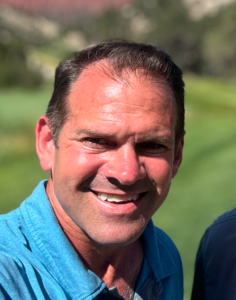
As cardiac health continues to evolve with the help of technology and research, few voices are more respected in the field of arrhythmia treatment than Dr Ian Weisberg. A renowned cardiac electrophysiologist, Dr. Weisberg has spent his career studying the heart’s electrical system and developing innovative solutions to improve patient outcomes. His insights into the future of arrhythmia care highlight a field that is rapidly advancing, becoming less invasive, and increasingly tailored to the individual needs of each patient.
Personalized Medicine Is the Path Forward
Dr. Weisberg believes the future of arrhythmia treatment lies in personalized medicine. Rather than relying solely on standardized treatment protocols, he emphasizes a more individualized approach that takes into account a patient’s genetic makeup, lifestyle, and specific type of arrhythmia.
“We’re moving toward precision,” Dr. Weisberg explains. “With better diagnostic tools and genetic screening, we can determine which treatments will work best for each unique patient.”
This approach not only improves effectiveness but also reduces the risk of complications and unnecessary procedures.
Minimally Invasive Techniques Are Revolutionizing Care
One of the most promising developments in arrhythmia treatment, according to Dr Ian Weisberg, is the rise of minimally invasive procedures. Catheter ablation—a technique that targets and destroys the heart tissue causing abnormal rhythms—has become a cornerstone in treating atrial fibrillation and other arrhythmias.
“These procedures are becoming safer and more efficient,” says Dr. Weisberg. “Many patients are now able to go home the same day, with reduced recovery times and improved outcomes.”
He also points to advancements in 3D mapping technologies, which allow for precise visualization of the heart’s electrical pathways, leading to more accurate diagnoses and interventions.
Wearable Tech and Remote Monitoring
Dr. Weisberg is particularly excited about the growing role of wearable technology in managing arrhythmias. Devices like smartwatches and portable ECG monitors allow patients to track their heart rhythms in real time and share data directly with their physicians.
“This kind of continuous monitoring can detect arrhythmias earlier, sometimes even before symptoms appear,” he notes. “It’s a game-changer for proactive heart care.”
These tools also allow for more informed decision-making and fewer in-person visits, making care more accessible.
A Collaborative Future
Looking ahead, Dr. Weisberg envisions a healthcare model where cardiologists, electrophysiologists, primary care physicians, and data scientists work closely together to provide integrated, real-time care.
“The future of arrhythmia treatment isn’t just about new tools—it’s about smarter collaboration,” he concludes.
As technology advances and patient care becomes more personalized, Dr Ian Weisberg remains at the forefront, helping shape a future where arrhythmias are detected earlier, treated more effectively, and managed with greater precision than ever before.