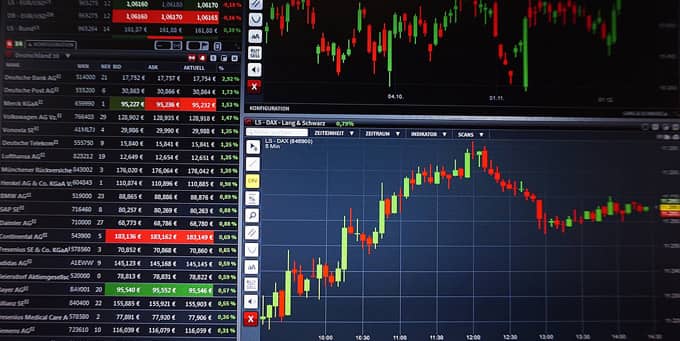
In the world of trading, CFD trading has become increasingly popular due to its flexibility and potential for high returns. However, the success of your trading journey largely depends on the CFD broker you choose. Selecting the right broker can be a daunting task with so many options available. This guide will help you navigate through the key factors to consider when choosing the right CFD broker.
1. Regulatory Compliance
The first and foremost criterion in choosing a CFD broker is regulatory compliance. Ensure that the broker is regulated by a reputable financial authority. Regulatory bodies such as the Financial Conduct Authority (FCA) in the UK, the Australian Securities and Investments Commission (ASIC), and the U.S. Commodity Futures Trading Commission (CFTC) enforce strict regulations to protect traders. A regulated broker provides a level of trust and security that is essential in the volatile world of CFD trading.
2. Trading Platform
The trading platform is your gateway to the financial markets. It should be user-friendly, reliable, and equipped with the necessary tools and features to facilitate efficient trading. Look for platforms that offer real-time data, advanced charting tools, technical indicators, and fast execution speeds. Popular platforms like MetaTrader 4 (MT4) and MetaTrader 5 (MT5) are widely adopted by traders for their robust features and ease of use.
3. Range of Markets
A good CFD broker should offer a diverse range of markets to trade. This includes equities, indices, commodities, forex, and cryptocurrencies. The broader the range of markets, the more opportunities you have to diversify your trading portfolio and capitalize on different market conditions. Ensure that the broker covers the markets you are interested in trading.
4. Fees and Commissions
Trading costs can significantly impact your profitability, especially if you are a frequent trader. Compare the spreads, commissions, and overnight financing fees charged by different brokers. Some brokers offer tight spreads but charge higher commissions, while others may have wider spreads with no commissions. It is important to understand the fee structure and choose a broker that offers competitive rates without compromising on service quality.
5. Leverage and Margin Requirements
CFD trading involves using leverage, which can amplify both profits and losses. Different brokers offer varying levels of leverage, so it is crucial to choose one that aligns with your risk tolerance and trading strategy. Additionally, understand the margin requirements set by the broker. Higher leverage may require lower margin deposits, but it also increases your risk exposure. Ensure you are comfortable with the leverage and margin policies before committing.
6. Customer Support
Reliable customer support is vital when trading CFDs, as issues can arise at any time. Choose a broker that offers responsive and knowledgeable customer support through multiple channels, such as live chat, email, and phone. Test their support services by asking questions and gauging their response time and helpfulness. Good customer support can make a significant difference in resolving issues promptly and ensuring a smooth trading experience.
7. Educational Resources
Whether you are a novice or an experienced trader, continuous learning is crucial for success. A reputable CFD broker should provide a wealth of educational resources, including webinars, tutorials, articles, and market analysis. These resources can help you stay informed about market trends, develop your trading skills, and make informed decisions. Look for brokers that invest in educating their clients and providing valuable insights.
8. Account Types and Minimum Deposits
Different brokers offer various account types to cater to the needs of different traders. Evaluate the account options available and choose one that suits your trading style and budget. Consider factors such as minimum deposit requirements, account features, and whether the broker offers demo accounts for practice trading. A broker with flexible account options allows you to start trading with confidence and gradually scale up as you gain experience.
Conclusion
Choosing the right CFD broker is a critical decision that can significantly impact your trading success. By considering factors such as regulatory compliance, trading platform, range of markets, fees and commissions, leverage, customer support, educational resources, and account types, you can make an informed choice. Take your time to research and compare different brokers, and select one that aligns with your trading goals and preferences. With the right broker by your side, you can navigate the complexities of CFD trading and seize the opportunities the financial markets offer.